Around the square, garages are older and the prep is stains and paint. In the wider Gwinnett growth that uses a Lawrenceville address, the slab may be young and the garage large. Both get humidity. Only one of them needs a long wait for the pour to calm down.
Say which you are. A photo of the garage door and the concrete is enough to stop us guessing.
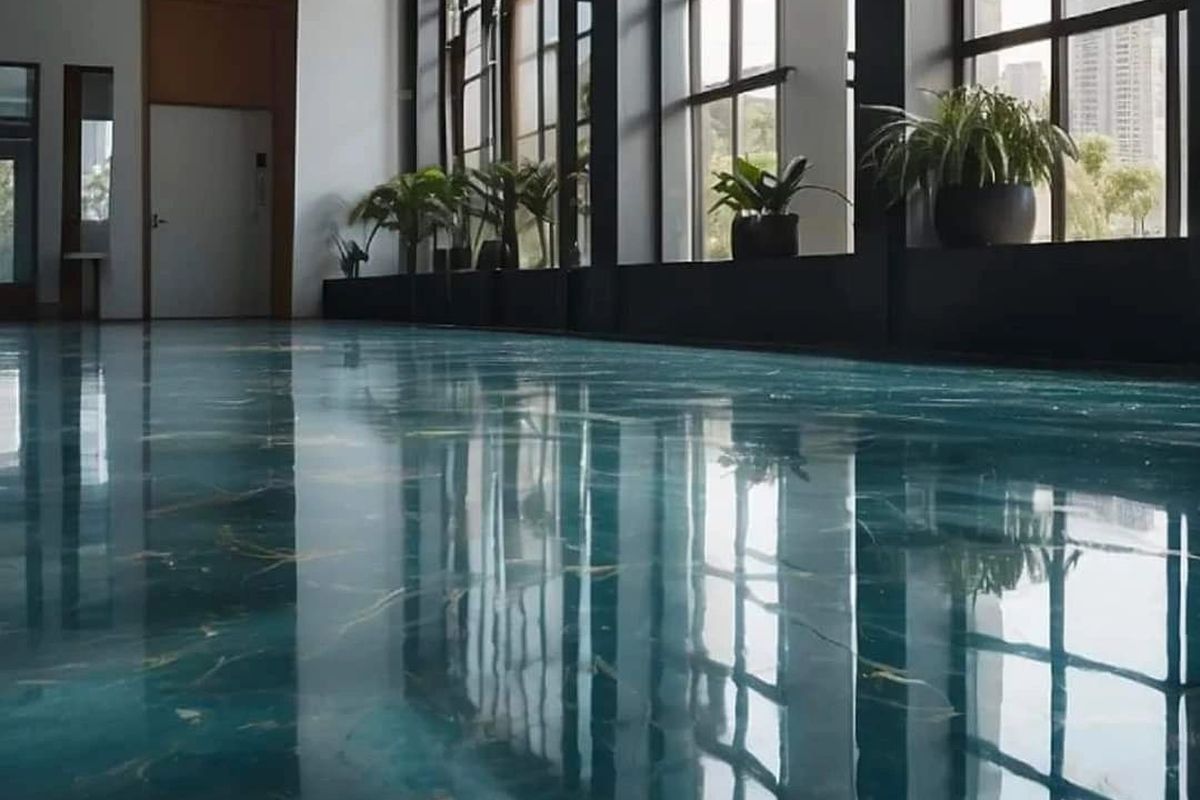
The photo is an example finish, not a documented Lawrenceville job.
Lawrenceville garages can differ sharply in age and condition. Older concrete may carry paint, oil, or earlier coatings that interfere with adhesion. A newer slab can look clean and still hold construction moisture. The right preparation depends on what is on the surface and what is moving through the concrete, so a coating plan should begin with inspection and testing rather than a guess based on appearance.
Moisture vapor testing helps identify whether water vapor is moving through the slab at a level the proposed system can tolerate. Calcium chloride testing measures moisture emission at the surface; in-slab relative humidity testing measures conditions inside the concrete. They are different methods, and results need to be considered against the coating maker’s limits. Humid weather makes careful scheduling and a dry, suitable slab especially important.
Ask how the contractor will check for oil, paint, weak concrete, and moisture before choosing a system. A floor that fails these checks may need more preparation or a different coating plan. If testing points to excess moisture, applying another layer is not a dependable fix. The installer should explain the finding, its effect on adhesion, and what options are appropriate before work begins.
Diamond grinding mechanically removes surface contamination and opens the concrete to a consistent profile, often described by a concrete surface profile, or CSP, range. Acid etching is less predictable and may not remove old coatings or oil; it also requires rinsing and drying. Ask what surface profile the selected coating needs and how the crew will confirm the slab is ready before applying primer or base coat.
Cracks and control joints need separate decisions. A static crack may be suitable for a compatible repair material, then blended into the prepared surface. Control joints are intentional movement points, so filling them rigidly can lead to a visible crack or separation as the slab moves. Ask whether joints will remain open, be filled with a flexible material, or be treated another way, and why that detail fits your floor.
For a garage with sun through the open door, ask about UV stability: some epoxy finishes can amber with exposure, while a suitable topcoat can improve color stability. Flake systems also rely on a sound base coat, even broadcast, removal of loose flake, and a compatible clear coat. Hot tires, temperature, humidity, and the product’s cure and recoat windows all affect when the floor can be used.
Look for peeling edges, glossy patches, paint residue, or areas that sound hollow when tapped, but appearance alone cannot confirm adhesion. A contractor can test suspect spots and check whether the existing layer is compatible with the proposed system. Loose or incompatible material generally needs removal before new coating is applied.
Not automatically. Control joints are intended to manage movement, and a rigid filler can crack or separate as the slab shifts. The installer should identify which lines are control joints, explain the proposed treatment, and use a compatible detail. Leaving a joint visible can be preferable to hiding it with a repair that fails.
Use the system’s stated cure schedule, not just the time when the surface feels dry. Temperature and humidity can change cure progress, and foot traffic may be allowed before vehicle traffic. Ask for separate return-to-service times for walking, moving stored items, and parking so tires do not mark or lift a coating that is still curing.
Texture depends on the flake broadcast and clear-coat finish. A smoother surface may be easier to clean but can feel slick with water, while added texture can improve traction and make cleaning more involved. Ask to see or feel a sample and discuss the amount of texture needed for the way the garage is used.
Sweep grit before it is ground into the finish, then clean with a mild cleaner that is approved for the coating. Avoid harsh chemicals or abrasive tools unless the system instructions allow them. Wipe up spills and check the surface periodically for chips or damage so a small repair can be considered before wear spreads.
Tell us about the floor in Lawrenceville. A photo and a rough size are enough to start a written estimate. No street address on our side — local pros come to the slab.
Atlanta Epoxy Floors is an independent referral service that connects you with local epoxy flooring pros.
 ATLANTA